
In April 2026, Astana will become the hub of the global environmental dialogue. From April 22 to 24, the Regional Environmental Summit (RES 2026) will be held at the capital's "Congress Center." It is envisioned as a rallying point where fragmented efforts are transformed into a unified mechanism for regional preservation and prosperity.
 The event will focus on seven key areas:
1. Adaptation and economic resilience to environmental and natural risks
2. Food security and the regional ecosystem
3. Sustainable management of natural resources
4. Combating air pollution and waste management
5. Mechanisms for achieving environmental ambitions
6. Just and inclusive transition
7. Environmental and digital competencies
 For the team of the Kazakhstan Center for Preparation and Implementation of Flood MAR Projects, participating in such a significant event will be the culmination of a long and intense two-year professional journey. During this time, our colleagues—Professor Zhanay Sagintayev (Sagin) and Abzal Kalygulov—have repeatedly participated in major regional and international consultations across key environmental platforms.
The initiative to host the summit received unprecedented international support. Back in December 2023, the UN General Assembly emphasized the importance of strengthening regional solidarity in Central Asia in the face of environmental threats.
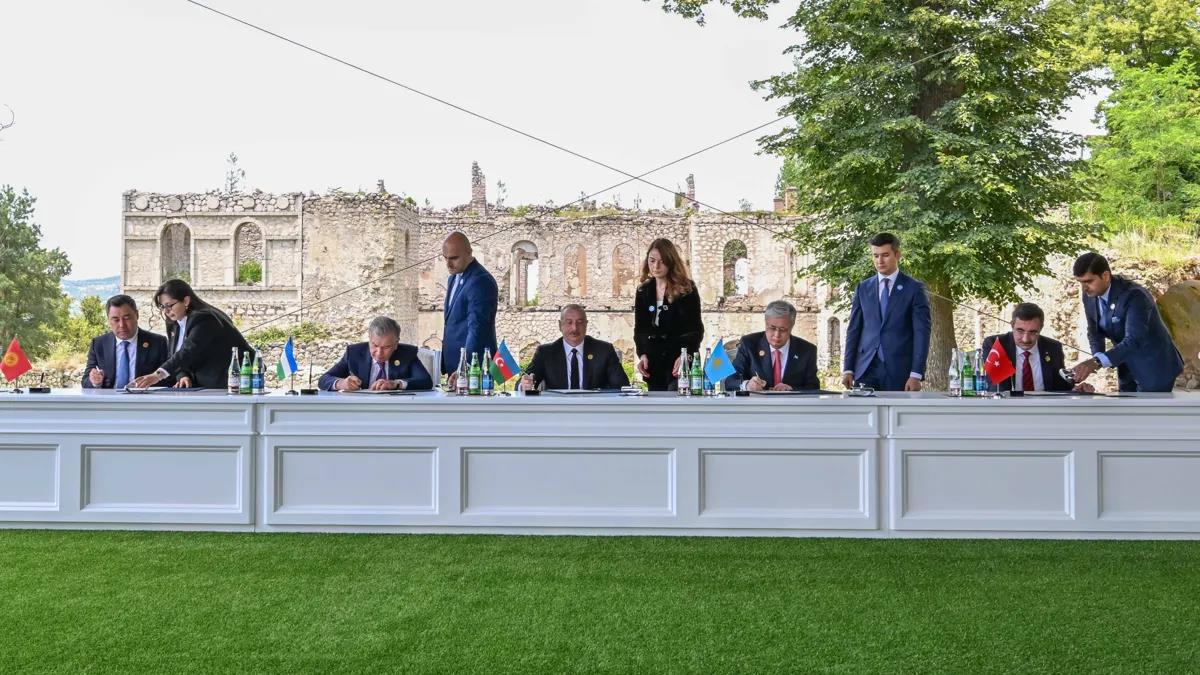
Throughout 2024, the significance of this platform was confirmed at the highest level: from the Karabakh Declaration in Azerbaijan to the joint statements of heads of state in Astana and Bishkek.
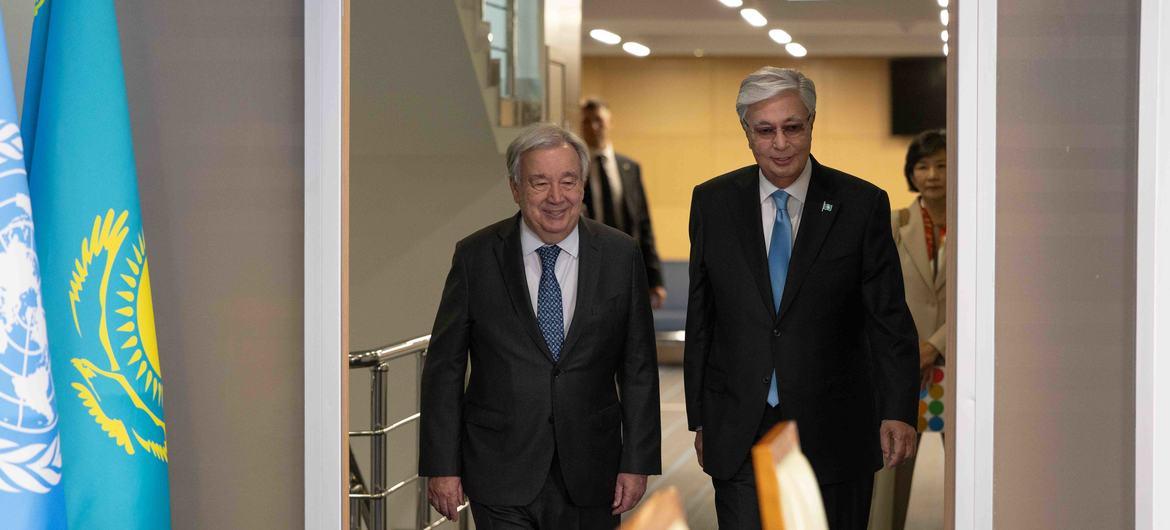 In 2025, during the opening of the UN Regional Center for SDGs in Almaty, UN Secretary-General António Guterres once again highlighted the pivotal role of regional initiatives in achieving a sustainable future.
The participation of our organization's members in the Summit aligns perfectly with the core concept of the event, which carries a deeply symbolic meaning—"Bir Tamyr" (Shared Roots). The word "tamyr," understood by everyone across the region, embodies not only a shared history but also an unbreakable bond with nature. This metaphor vividly reflects how closely interwoven the destinies of the Central Asian peoples are. It reminds us that our borders cannot divide our shared rivers, air, or history.
For the Summit participants and forum experts, three unshakeable principles—a unified region, shared challenges, and collective action—serve as the "three pillars" upon which the entire architecture of future cooperation is built.
For the current team, participating in RES 2026 is an opportunity to demonstrate that we stand ready to contribute to solving practical challenges in the Central Asian region.